
Mass Removal Surgery: What Pet Owners Should Know
At Eagle Rock Veterinary Clinic in Idaho Falls, ID, mass removal surgery is a common procedure performed to protect a pet’s health and comfort. Discovering a lump or bump on a beloved dog or cat can be unsettling. While not all masses are cancerous, any new or changing growth should be evaluated promptly to determine the appropriate course of action.
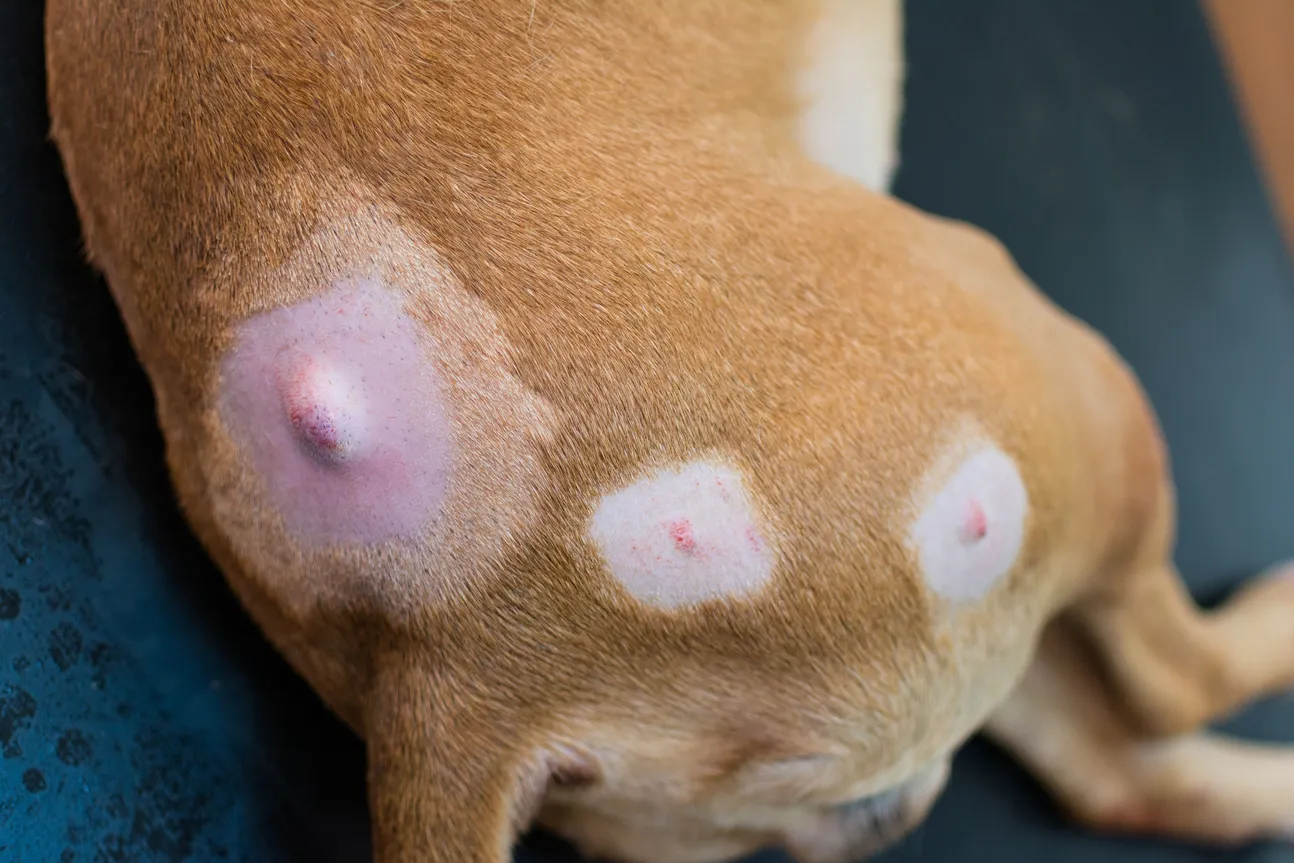
Masses can develop for a variety of reasons. Some are benign growths such as lipomas, which are soft, fatty tumors that often grow slowly and may not cause discomfort. Others may be cysts, abscesses, or malignant tumors that require more immediate intervention. Because it is impossible to determine the nature of a mass based on appearance alone, veterinary evaluation is essential.
Evaluating a Mass
When a pet presents with a lump, the veterinary team performs a thorough physical examination and may recommend diagnostic testing. A fine needle aspiration, which involves collecting a small sample of cells from the mass, can often provide valuable information. In some cases, a biopsy or additional imaging may be necessary to assess the size, depth, and potential spread of the growth.
Early detection significantly improves treatment outcomes. Rapid growth, changes in color or texture, ulceration, bleeding, or signs of pain are especially important to address quickly. Even masses that appear small or harmless can sometimes become problematic if left untreated.
The Surgical Process
Mass removal surgery is typically performed under general anesthesia to ensure a pet’s safety and comfort. The surgical approach depends on the size and location of the mass, as well as whether it is suspected to be benign or malignant. The goal is to remove the growth completely while preserving as much healthy surrounding tissue as possible.
Following removal, the mass is often sent to a laboratory for histopathological analysis. This step confirms the diagnosis and helps determine whether additional treatment is needed. Recovery times vary, but most pets return home the same day with instructions for incision care, activity restriction, and follow-up visits.
Recovery and Long-Term Care
Postoperative monitoring is an important part of the healing process. Pet owners are advised to watch for signs of swelling, redness, discharge, or changes in behavior. Keeping the incision clean and preventing licking or scratching supports proper healing. Follow-up appointments allow the veterinary team to ensure recovery is progressing as expected.
Mass removal surgery not only addresses existing growths but can also prevent potential complications. Proactive care gives pets the best chance for a healthy, comfortable future.
If a new lump or bump has been noticed, schedule an evaluation at Eagle Rock Veterinary Clinic in Idaho Falls, ID, by calling (208) 557-3113. Prompt assessment and expert surgical care can provide clarity, peace of mind, and the best possible outcome for your pet.