
Post-Operative Care After Pet Surgery: Tips from Our Idaho Falls Clinic
Recovering from pet surgery requires careful attention to ensure a smooth healing process. At Eagle Rock Veterinary Clinic in Idaho Falls, ID, we provide guidance to help pets recover safely after procedures ranging from soft-tissue surgery to spaying and neutering. Following a proper post-operative plan reduces complications and supports comfort for dogs, cats, and exotic pets alike. Our goal is to equip pet owners with clear instructions for home care while reinforcing the importance of follow-up visits with a veterinarian near you.
Monitoring Your Pet at Home
After pet surgery, monitoring your pet closely is essential. Watch for signs of discomfort, swelling, bleeding, or unusual behavior that may indicate a complication. Keeping a log of your pet’s eating, drinking, and elimination habits can help our veterinary clinic assess recovery progress. Limiting activity is critical, as too much movement can disrupt sutures or aggravate surgical sites.
Medication Administration
Administering prescribed medications correctly is a vital part of post-operative care. Pain management, antibiotics, and anti-inflammatory drugs support healing and prevent infection. Using pill pockets, syringes, or other recommended techniques ensures pets receive the full course of their medication. Our veterinary surgeon can provide tips for administering medications to dogs, cats, or exotic pets to reduce stress during treatment.
Incision and Wound Care
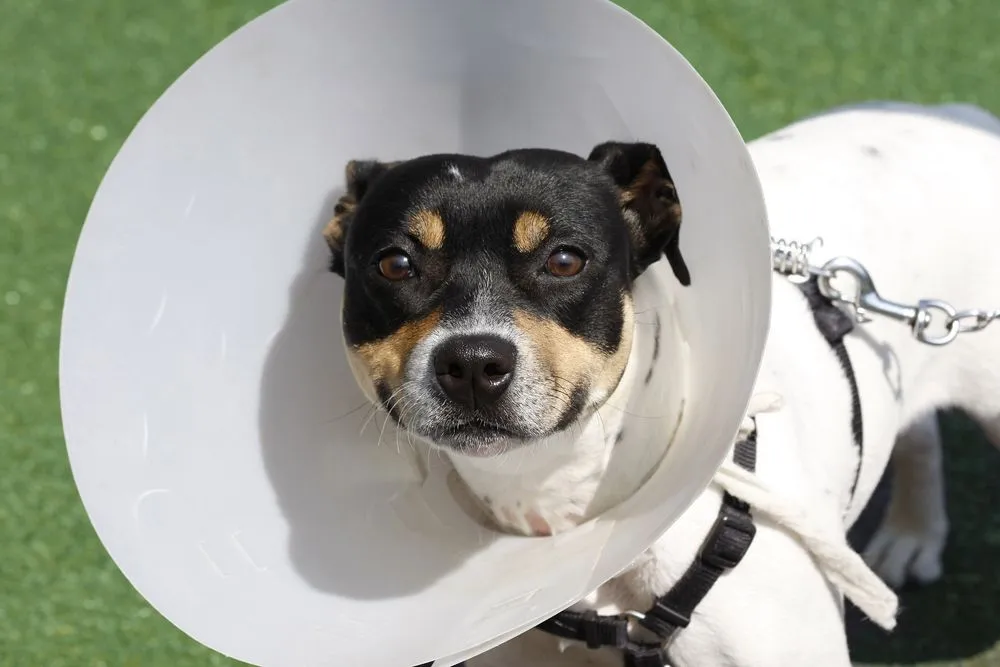
Keeping surgical sites clean and protected is essential for successful healing. Inspect the incision daily for redness, discharge, or swelling, and prevent pets from licking or scratching the area. Using an Elizabethan collar or recovery suit can limit interference with healing. If you notice unusual changes in the wound, contact our pet surgery clinic promptly for guidance.
Diet and Hydration
Proper nutrition and hydration aid recovery after dog surgery, cat surgery, or any other pet procedure. Feed recommended portions and maintain a consistent feeding schedule to avoid gastrointestinal upset. Encourage water intake and offer small, frequent meals if pets have a reduced appetite. Nutrition tailored to post-operative needs supports tissue repair and energy for recovery.
Activity Restrictions and Exercise
Limiting physical activity is crucial during the initial recovery period. Short leash walks and controlled movement help prevent complications after pet surgery. Avoid jumping, running, or interacting with other pets until cleared by our veterinarian. Gradually reintroducing normal activity ensures safe rehabilitation and reduces the risk of re-injury or delayed healing.
Final Guidance for Post-Operative Success
Eagle Rock Veterinary Clinic in Idaho Falls, ID, is committed to supporting pets and owners throughout the recovery process. Following post-operative instructions for medications, wound care, diet, and activity promotes smooth healing after soft-tissue surgery, spaying, neutering, or other pet surgeries. Regular check-ins at our animal hospital help identify potential issues early and provide reassurance. For any questions about pet surgery, urgent care, or pet emergency intervention, contact Eagle Rock Veterinary Clinic for professional guidance and support.